


What Types of Skin Growths Can Be Treated With Veterinary Cryosurgery?
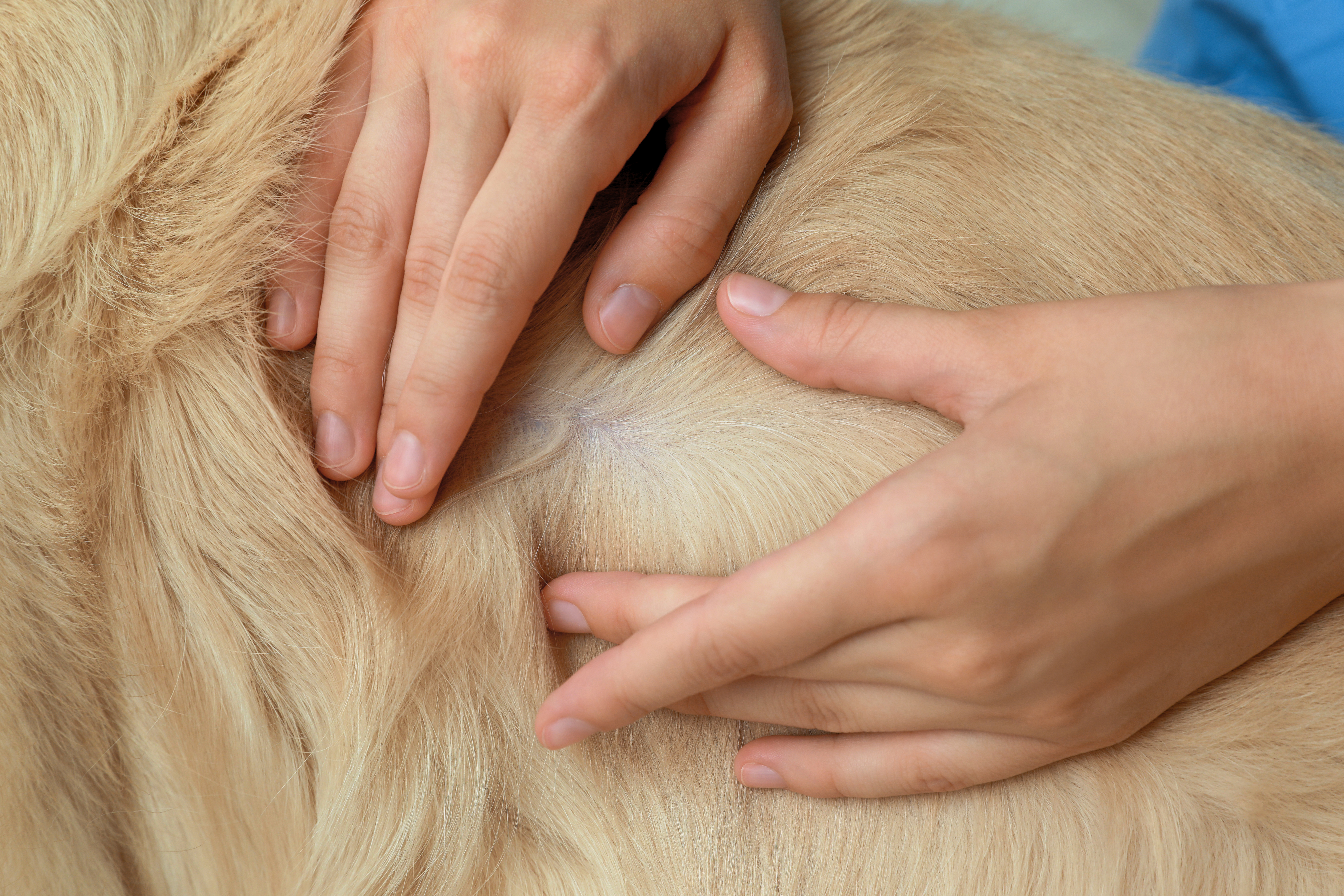
Finding a new lump or wart on your pet can be concerning, especially when it grows, becomes irritated, or catches on a collar. Not every skin growth is dangerous, but it is important to find out what it is before choosing treatment. At Animal Hospital of Whitfield County, we offer veterinary cryosurgery in Dalton, GA, as a treatment option for certain small, superficial growths. This technique uses carefully directed freezing to destroy targeted tissue without a traditional surgical incision.
Which Skin Growths May Be Treated With Cryosurgery?
Cryosurgery is generally most useful for selected growths located on or near the skin's surface. Depending on the diagnosis, size, and location, our veterinarians may consider it for:
· Warts (papillomas): Some small, raised viral growths can be treated with freezing, although many resolve without intervention.
· Sebaceous adenomas: These often appear as small, wart-like bumps in older dogs and may be candidates when they become irritated.
· Certain small benign skin tumors: Some superficial growths, including selected hemangiomas, may respond to freezing after appropriate evaluation.
· Selected oral growths: Cryosurgery can sometimes be considered for accessible lesions in the mouth, depending on their type and location.
Not all bumps that look similar have the same cause. Cysts, deeper masses, and suspicious or rapidly changing growths may need different treatment. Our goal is to identify the concern first, rather than assume every visible bump can be frozen away.
Why Does Diagnosis Matter Before Cryosurgery?
A growth's appearance alone cannot reliably determine whether it is benign or cancerous. During an examination at our Dalton veterinary hospital, we assess its size, location, texture, and any recent changes. We may recommend sampling the growth with a needle or obtaining a biopsy before deciding how to proceed.
This step matters because cryosurgery destroys the treated tissue, which may leave no usable specimen for laboratory analysis afterward. Growths that extend deeper into the skin or require examination of surgical margins may be better managed with conventional removal. We will discuss the available options based on your pet's individual needs.
How Does Veterinary Cryosurgery Work?
Our practice uses CryoProbe technology, which directs a concentrated stream of very cold nitrous oxide onto a selected lesion. The freezing damages abnormal tissue, allowing it to crust over and gradually separate as the area heals. Because there is no scalpel incision, stitches are generally unnecessary.
Many brief treatments can be performed without general anesthesia, although some pets may need pain control, sedation, or another approach based on their comfort, temperament, and the treatment site. We evaluate these factors before recommending a procedure.
What Should You Expect After Treatment?
The treated area may look red or swollen before forming a scab. Over the following days or weeks, the damaged tissue typically sheds as the skin heals. It is important to prevent licking, rubbing, or scratching and follow the care instructions we provide. Some pets may need a recheck or additional treatment, and a small change in skin color or hair growth is possible.
If you have noticed a new or changing skin growth on your dog or cat, contact Animal Hospital of Whitfield County in Dalton, GA, at (706) 226-3710 to schedule an evaluation.


Monday:
8:00 am - 6:00 pm
Tuesday:
8:00 am - 6:00 pm
Wednesday:
8:00 am - 6:00 pm
Thursday:
8:00 am - 6:00 pm
Friday:
8:00 am - 6:00 pm
Saturday:
Closed
Sunday:
Closed
In Case of an Emergency:
Animal Emergency and Specialty Center
6393 Lee Highway Chattanooga, TN (423) 822-8304


Powered by 
