


Pet Anxiety: Causes, Symptoms, and How to Help Your Furry Friend Cope
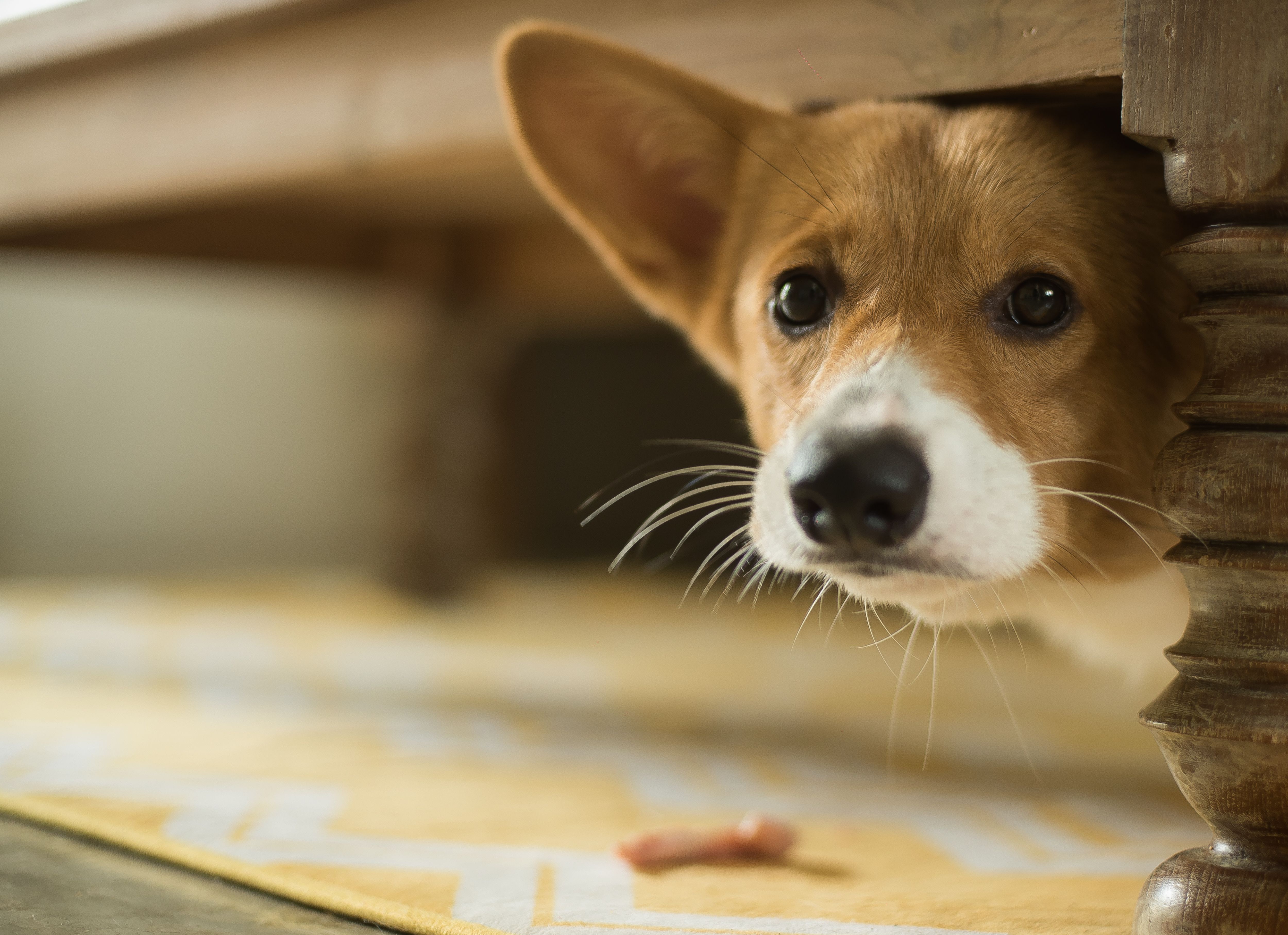
Pet anxiety is more common than many owners realize. Dogs and cats can become stressed by changes in routine, loud noises, separation, travel, unfamiliar people, or past negative experiences. When anxiety is not addressed, it can affect behavior, physical health, and overall quality of life.
What Causes Pet Anxiety?
Anxiety in pets can develop for many reasons. Some animals are naturally more sensitive, while others respond to specific triggers. Common causes include separation from their owner, thunderstorms, fireworks, vet visits, boarding, moving to a new home, or the arrival of a new pet or family member. A lack of early socialization can also make some pets more fearful in unfamiliar situations.
Signs Your Pet May Be Anxious
Symptoms of pet anxiety can range from mild to severe. Some signs are easy to spot, while others are more subtle. Your pet may pace, pant, whine, hide, tremble, bark excessively, or cling to you more than usual. Cats may withdraw, stop using the litter box consistently, or overgroom. Some pets show anxiety through destructive behavior such as chewing, scratching doors, or trying to escape.
When Anxiety Becomes a Health Concern
Ongoing stress is more than a behavior issue. Chronic anxiety can affect appetite, sleep, digestion, and immune function. Pets that stay in a heightened state of stress may become harder to examine, groom, or treat when medical care is needed. That is why it is important to address symptoms early instead of waiting for them to worsen.
Ways to Help an Anxious Pet at Home
There are practical steps pet owners can take to reduce anxiety and create a greater sense of security.
- Keep feeding, walks, and bedtime routines as consistent as possible
- Provide a quiet, safe space where your pet can retreat
- Use puzzle toys, exercise, and enrichment to reduce nervous energy
- Introduce new people, places, or pets gradually
- Stay calm during stressful moments, since pets often respond to your tone and body language
The Importance of Identifying Triggers
One of the best ways to manage pet anxiety is to learn what causes it. Some pets struggle mainly with separation anxiety, while others react to noise or overstimulation. Watching when symptoms occur can help you notice patterns. Once the trigger is clear, it becomes easier to build a plan that supports your pet and reduces stress.
When to See Your Veterinarian
If your pet’s anxiety is frequent, intense, or interfering with daily life, it is time to seek professional help. Our veterinarian can rule out medical issues that may mimic anxiety, evaluate behavior changes, and recommend the next steps. Depending on the situation, treatment may include behavior guidance, environmental changes, calming aids, or other supportive care tailored to your pet’s needs.
For compassionate veterinary care and guidance on managing pet anxiety, contact Animal Hospital of Whitfield County. Visit our office in Dalton, Georgia, or call (706) 226-3710 to book an appointment today.


Monday:
8:00 am - 6:00 pm
Tuesday:
8:00 am - 6:00 pm
Wednesday:
8:00 am - 6:00 pm
Thursday:
8:00 am - 6:00 pm
Friday:
8:00 am - 6:00 pm
Saturday:
Closed
Sunday:
Closed
In Case of an Emergency:
Animal Emergency and Specialty Center
6393 Lee Highway Chattanooga, TN (423) 822-8304


Powered by 
